.png)
Ants
Ant trails, nesting activity and food-seeking workers can quickly become persistent indoors.
Common typesArgentineOdorous HousePavementHarvesterCarpenter
Learn about Ants
Browse our complete Clark County pest identification library covering insects, spiders, scorpions, rodents and nuisance wildlife commonly found throughout Las Vegas, Henderson, North Las Vegas and surrounding Southern Nevada communities. Learn to identify pests before requesting professional treatment.
Use the categories or search by pest name.
Common indoor and outdoor invaders found throughout the Las Vegas Valley
Ant trails, nesting activity and food-seeking workers can quickly become persistent indoors.
.png)
Fast-breeding pests that contaminate food areas and hide in cracks, drains and wall voids.
.png)
Noisy night-time invaders that enter through gaps and gather near moisture and lights.
.png)
Hitchhiking insects that hide close to sleeping areas and leave itchy bites.

A broad group that includes fabric, pantry and occasional invading species.
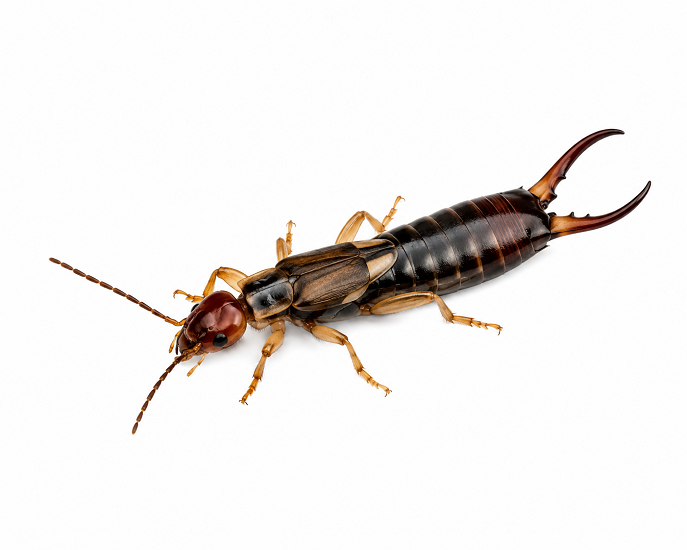
Moisture-loving insects often found beneath landscaping, planters and around foundations.

Fast-moving, moisture-seeking insects that may damage paper, glue and stored materials.
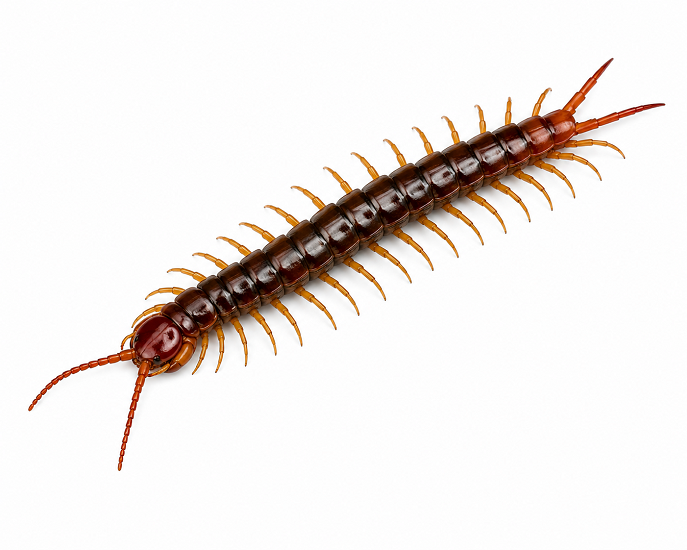
Predatory arthropods that enter homes while hunting other insects.
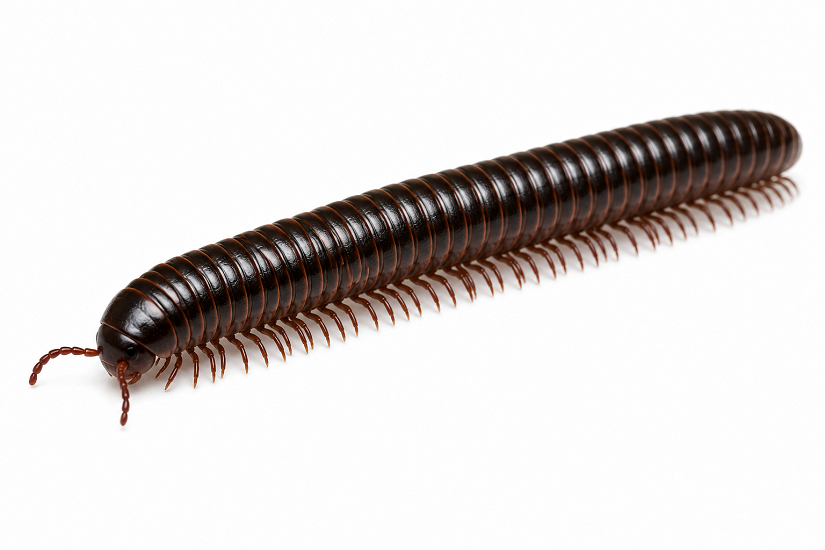
Slow-moving decomposers that may wander indoors after irrigation or weather changes.
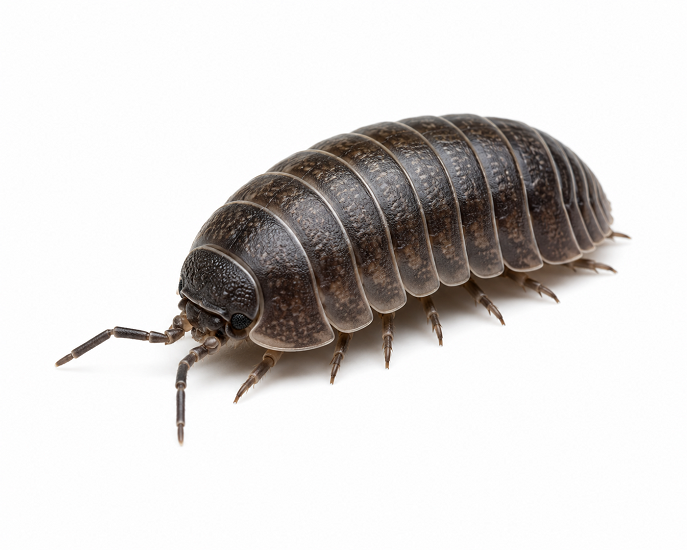
Small crustaceans found in damp mulch, leaf litter and shaded foundation areas.

Tiny moisture-associated pests that can appear around sinks, tubs and damp soil.
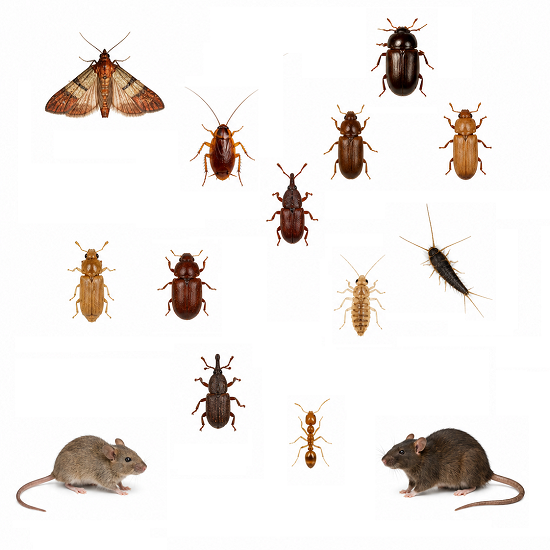
Stored-product insects that infest flour, cereal, pet food, spices and dry goods.
Pests that bite, sting, contaminate surfaces or gather around lights and standing water

Disease-carrying pests attracted to food waste, drains, animal matter and organic debris.

Biting insects that reproduce in small amounts of standing water.

Small flying pests associated with drains, plants, moisture and decomposing organic material.
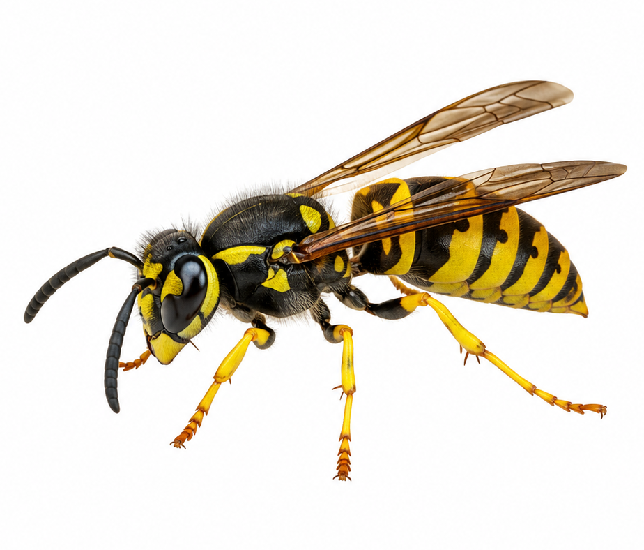
Stinging insects that build exposed or concealed nests around structures and landscaping.
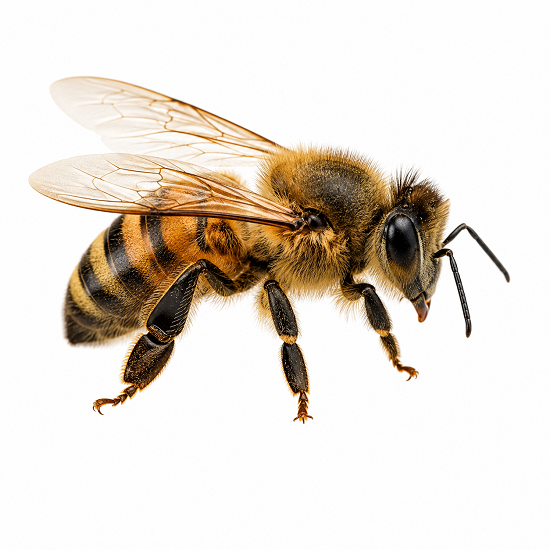
Beneficial pollinators that sometimes establish colonies in walls, trees and utility boxes.
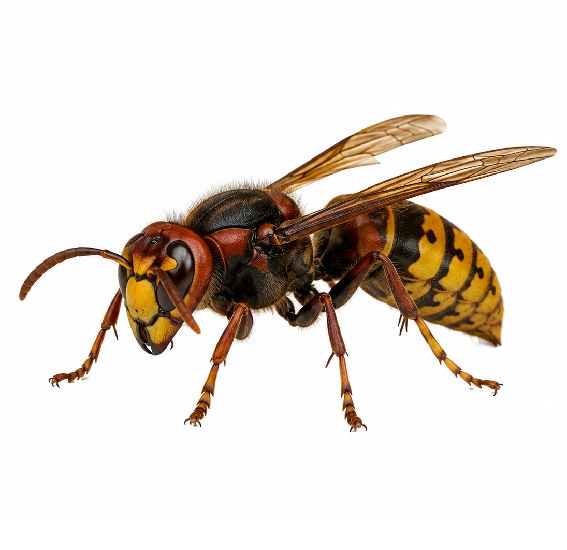
Defensive social wasps that may create hazardous nesting sites near occupied areas.
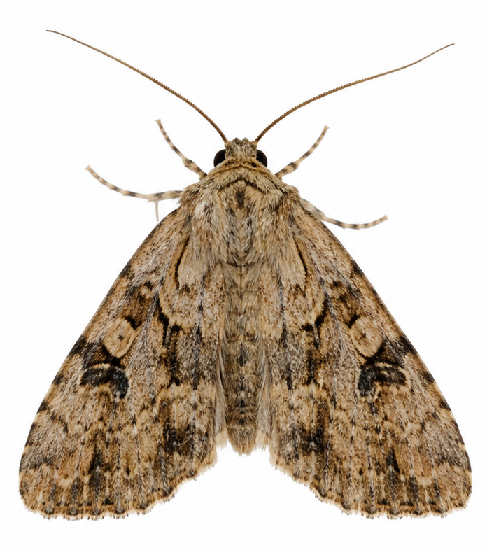
Adult moths may signal pantry or fabric infestations inside the home.
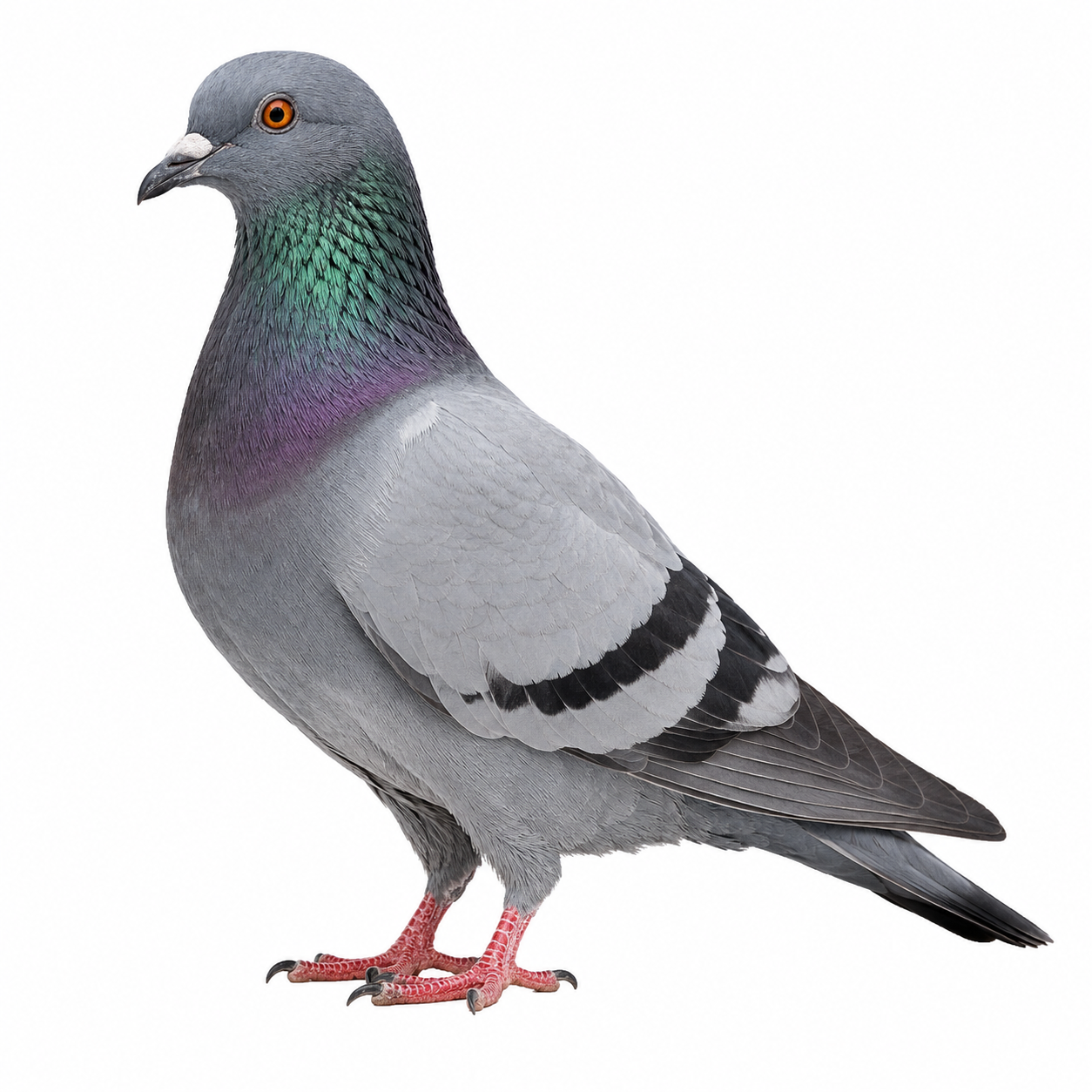
Urban birds that create nesting debris, noise and sanitation concerns on buildings.
Arachnids common to desert homes, yards, block walls and landscaped areas
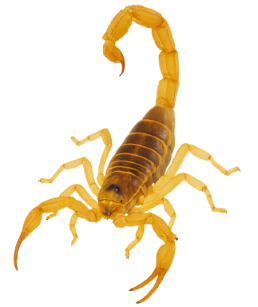
Desert predators that hide in block walls, landscaping and dark protected spaces.

Web-building and hunting spiders often follow insect activity around structures.

Glossy dark spiders that favor quiet, protected locations and irregular webs.
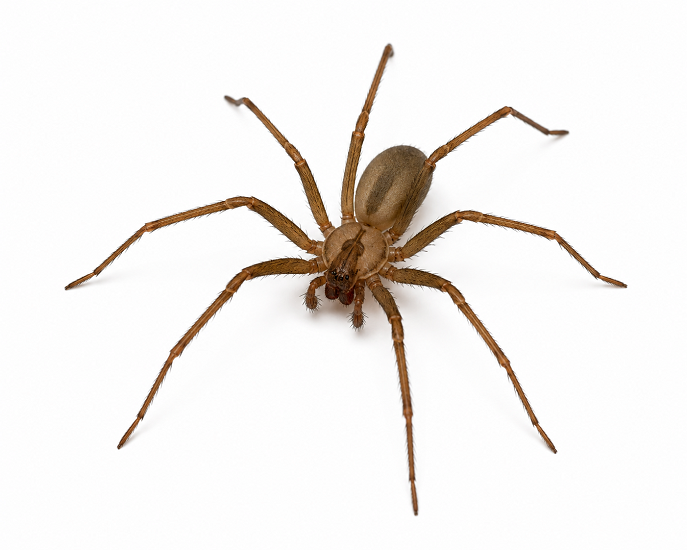
A desert-adapted recluse species that prefers undisturbed protected areas.

Blood-feeding arachnids that may be carried into yards and homes by pets or wildlife.
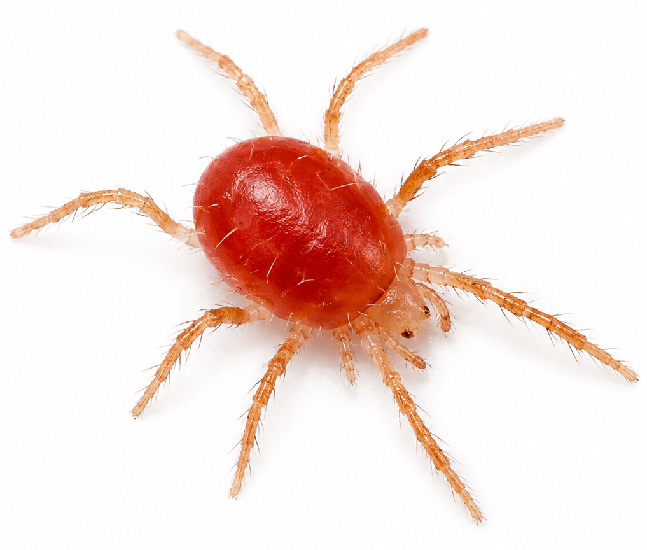
Tiny arachnids associated with birds, rodents, plants or stored products.
Pests capable of damaging structural wood, trim, furniture or moisture-damaged materials
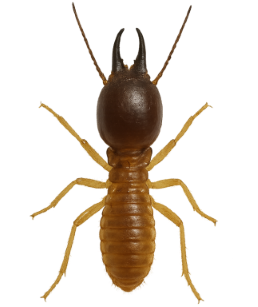
Wood-destroying insects that can remain hidden while feeding inside structures.
Large ants that excavate galleries in damp or compromised wood.

Large solitary bees that bore nesting tunnels into exposed wood.
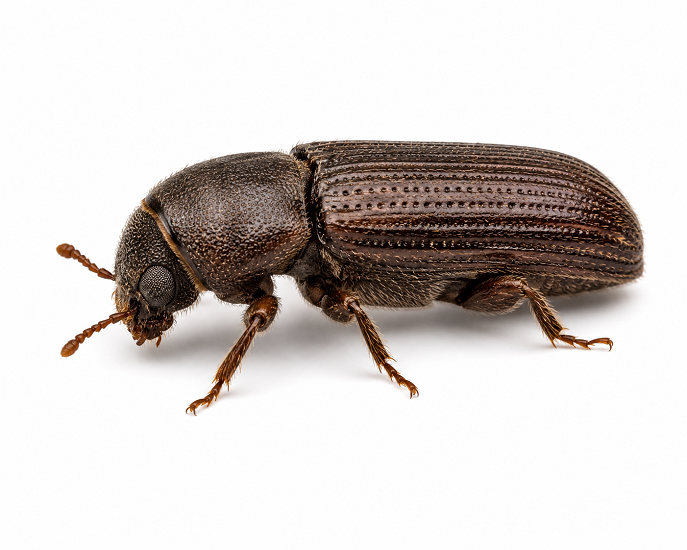
Beetle larvae that tunnel through structural or decorative wood.
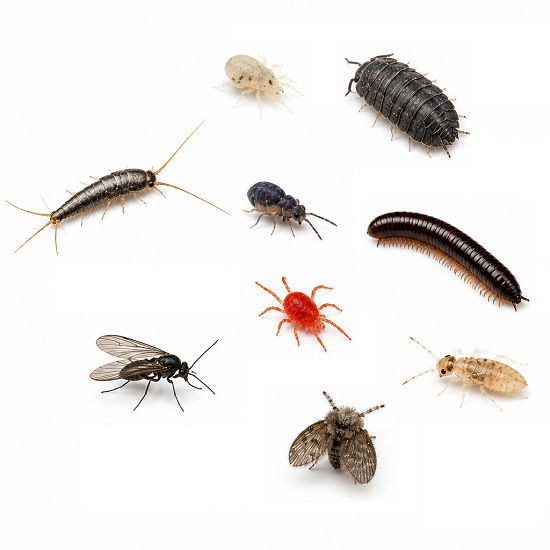
Insects whose presence often points to leaks, damp wood or excessive humidity.
Rodents and nuisance wildlife that damage landscaping, contaminate spaces or enter buildings

Small rodents that exploit tiny openings and nest near food, warmth and shelter.
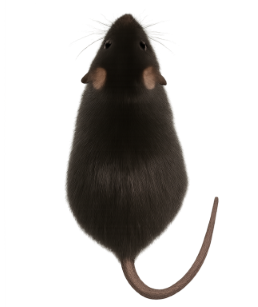
Agile climbers that travel on walls, trees, roofs and utility lines.
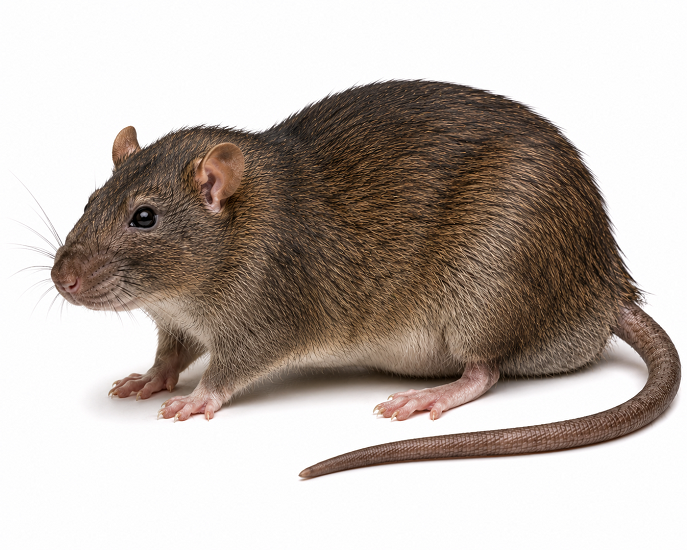
Heavy-bodied burrowing rats commonly associated with ground-level activity.
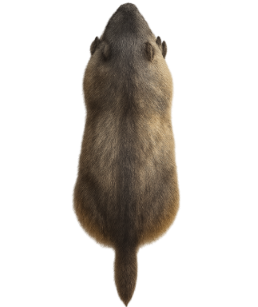
Burrowing rodents that create soil mounds and damage lawns, roots and irrigation.

Day-active burrowers that damage landscapes and undermine hardscapes.
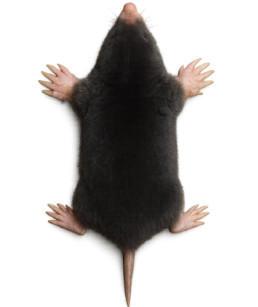
Burrowing mammals that create raised tunnels while searching for soil insects.

Small plant-eating rodents that create runways and damage roots and groundcover.
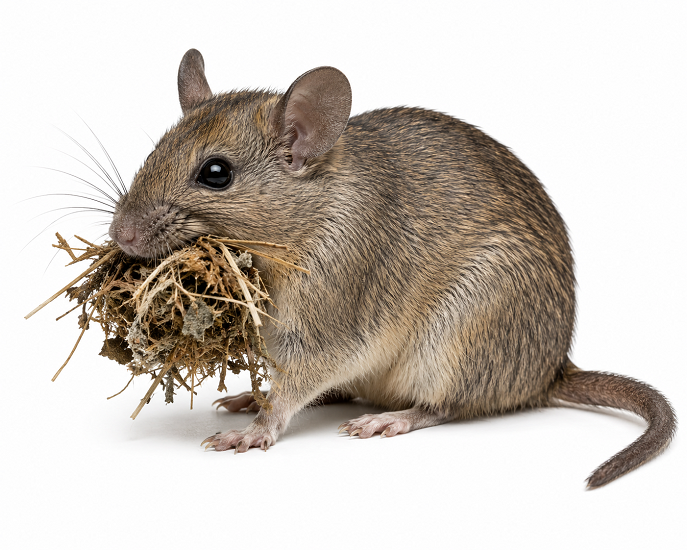
Desert rodents that build debris-filled nests in sheltered outdoor locations.
Small two-toned mice often associated with garages, sheds and rural edges.
Tree and ground-dwelling squirrels may enter attics or damage exterior areas.

Landscape-feeding animals that can damage young plants, gardens and turf.
Seasonal or moisture-driven pests that may enter buildings but do not always reproduce indoors

Shield-shaped insects that enter structures seeking shelter and release odor when disturbed.

Seasonal aggregating insects that gather on warm exterior walls.

Tiny reddish mites that may appear in large numbers around windows and sunny walls.
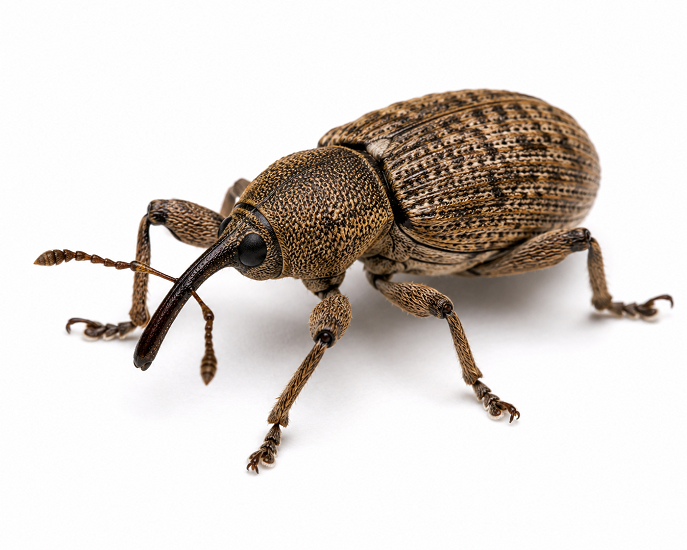
Snout beetles associated with stored grain, seeds or outdoor plants.
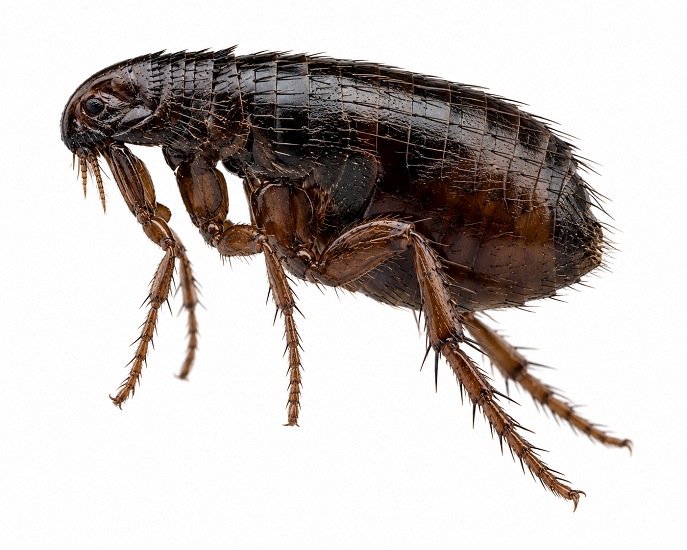
Jumping blood-feeding pests commonly associated with pets and wildlife.

Small host-specific insects; correct identification is essential before treatment.
Freedom Pest Control's pest library helps homeowners and businesses identify many of the insects, arachnids, rodents and nuisance wildlife commonly found throughout Clark County, Nevada. Whether you're dealing with scorpions, ants, cockroaches, termites, rodents, spiders, mosquitoes, bed bugs or other pests, proper identification is the first step toward effective treatment.
Our service area includes Las Vegas, Henderson, North Las Vegas, Paradise, Spring Valley, Summerlin, Southern Highlands, Mountains Edge, Centennial Hills, Providence, Skye Canyon, Green Valley, Anthem, Inspirada, Enterprise and surrounding Clark County communities.